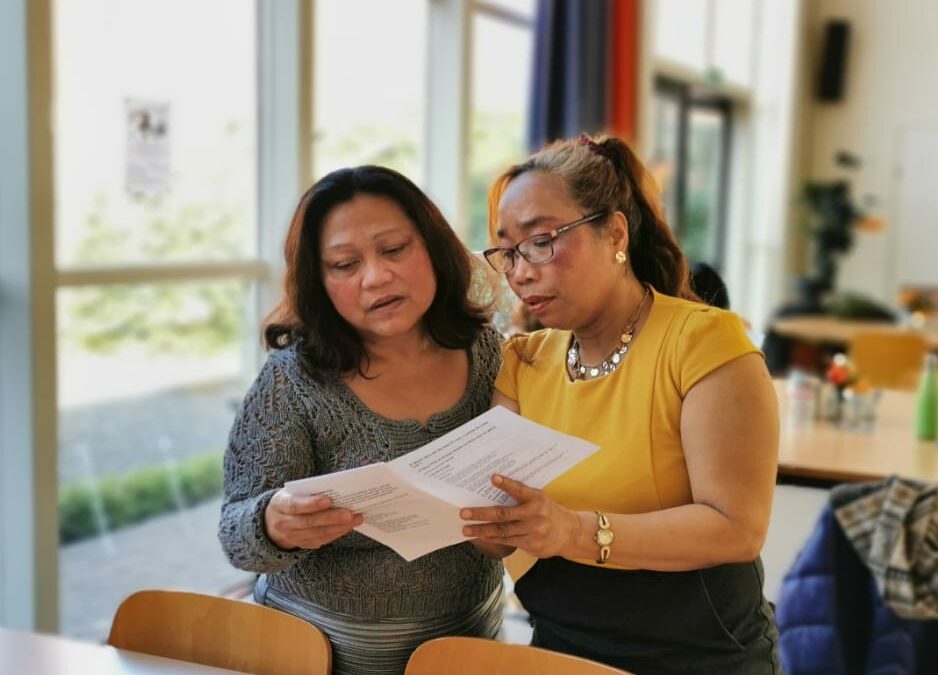
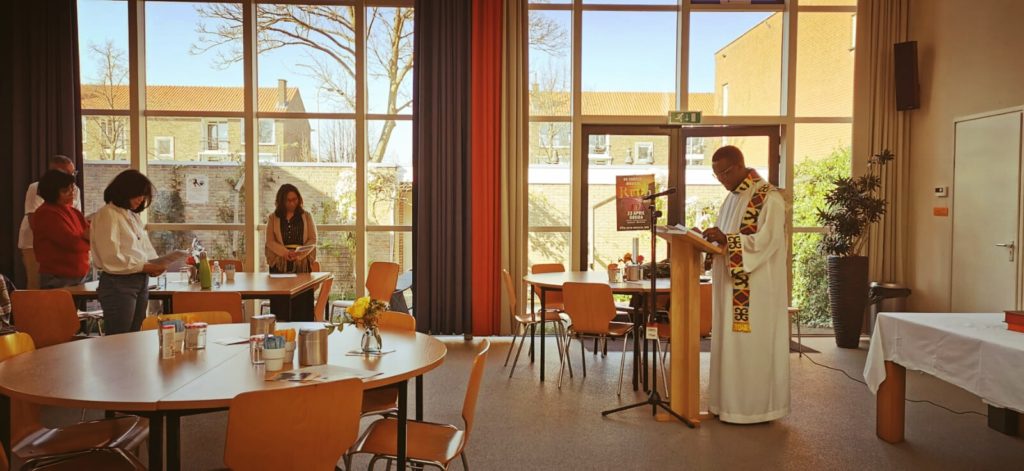
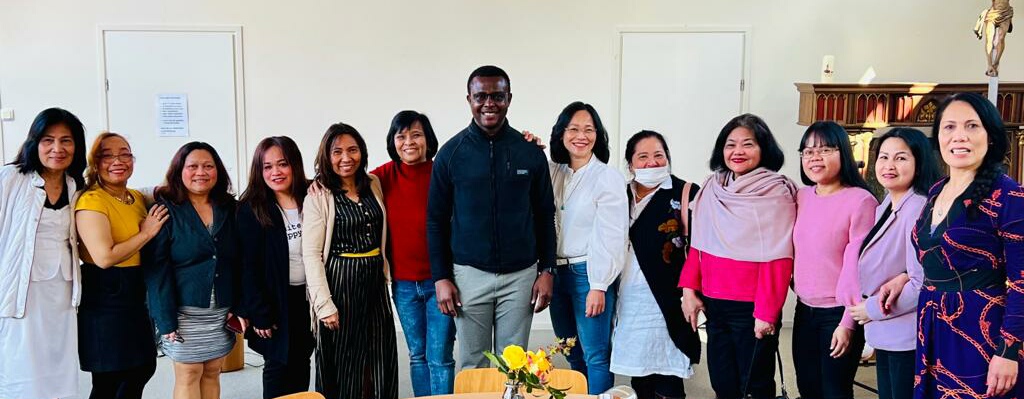
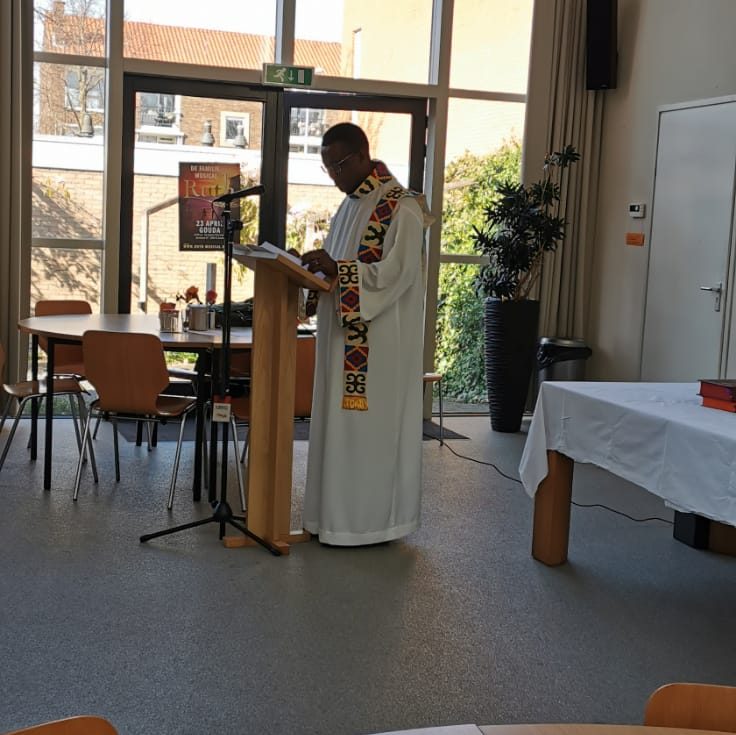
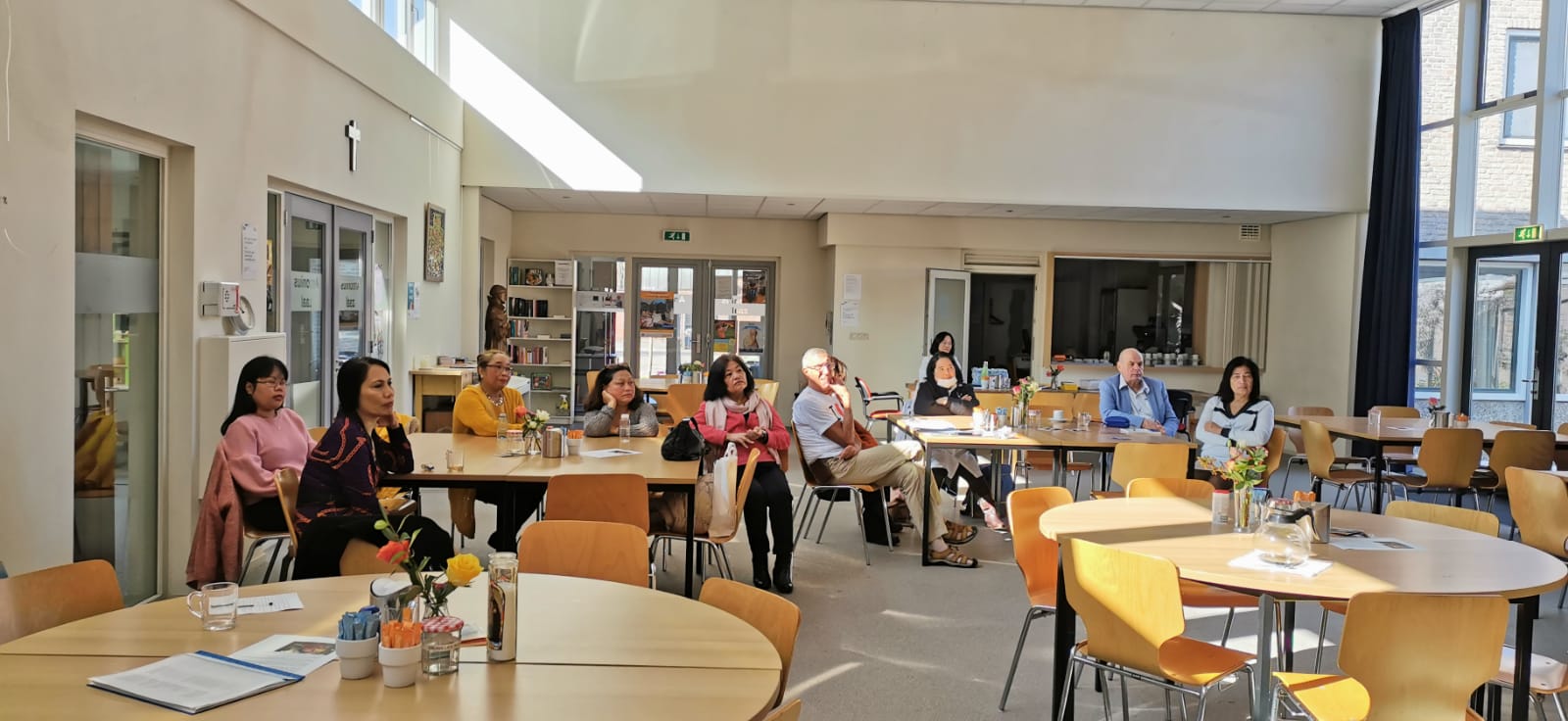
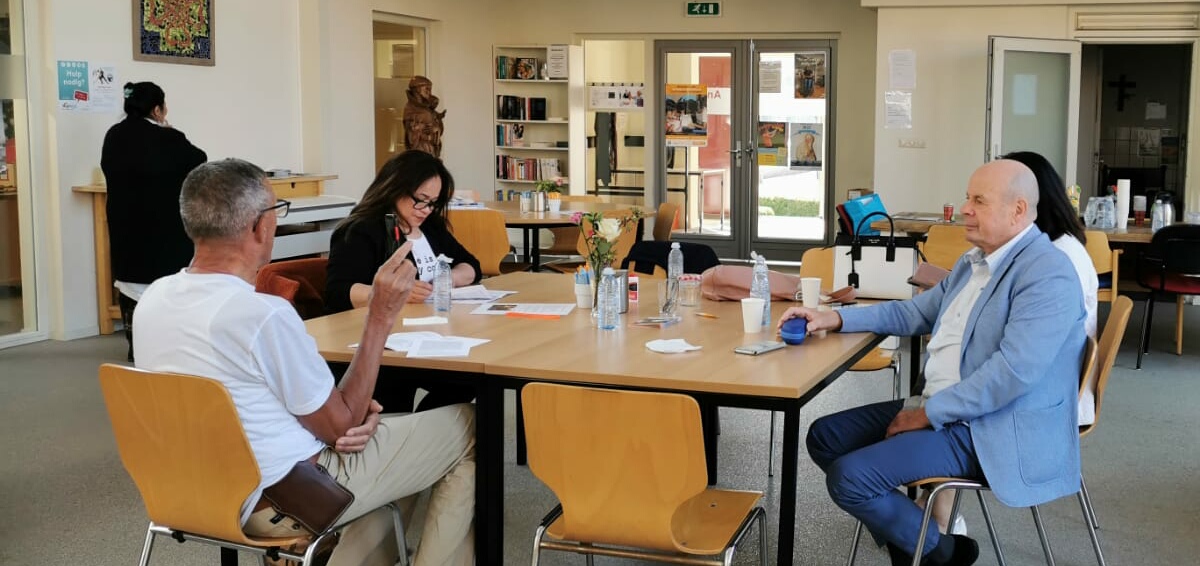
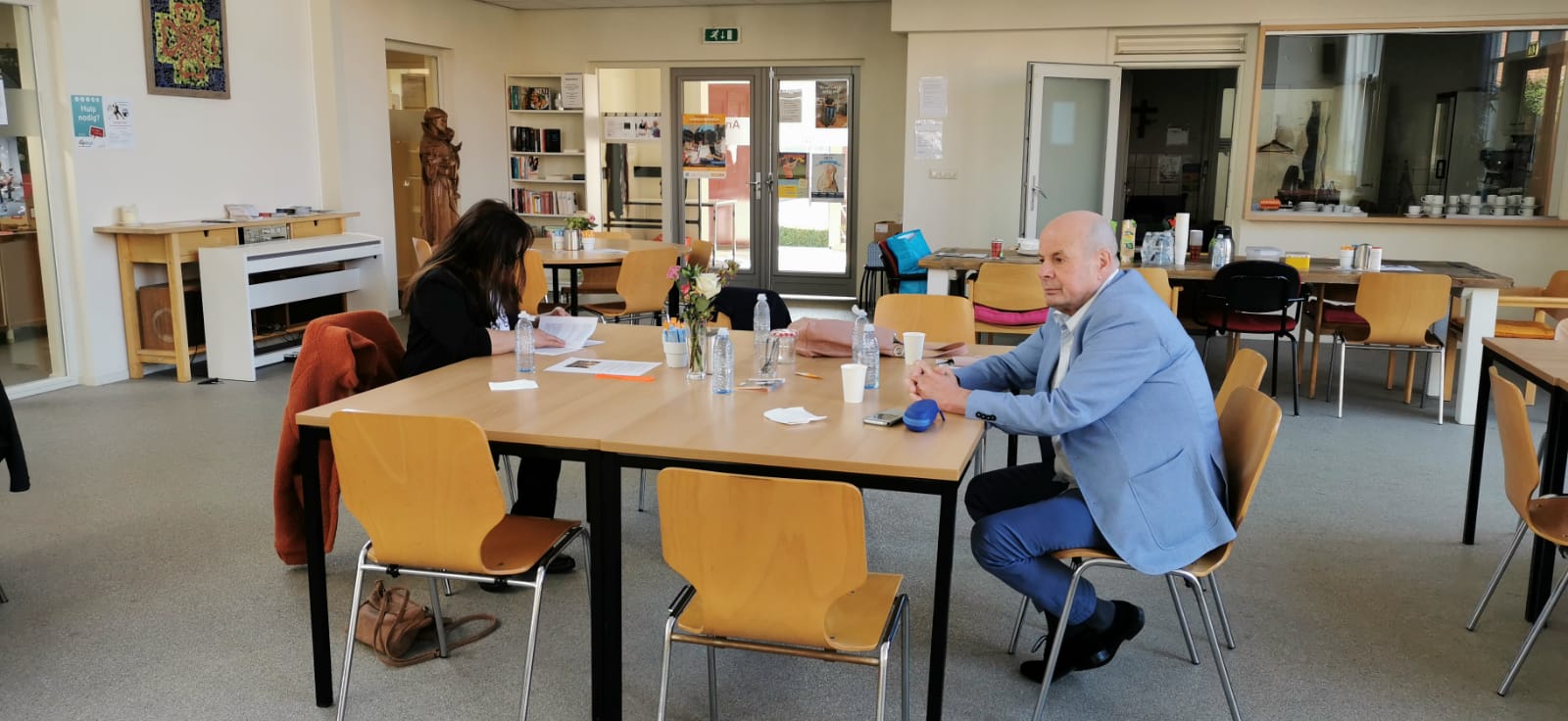
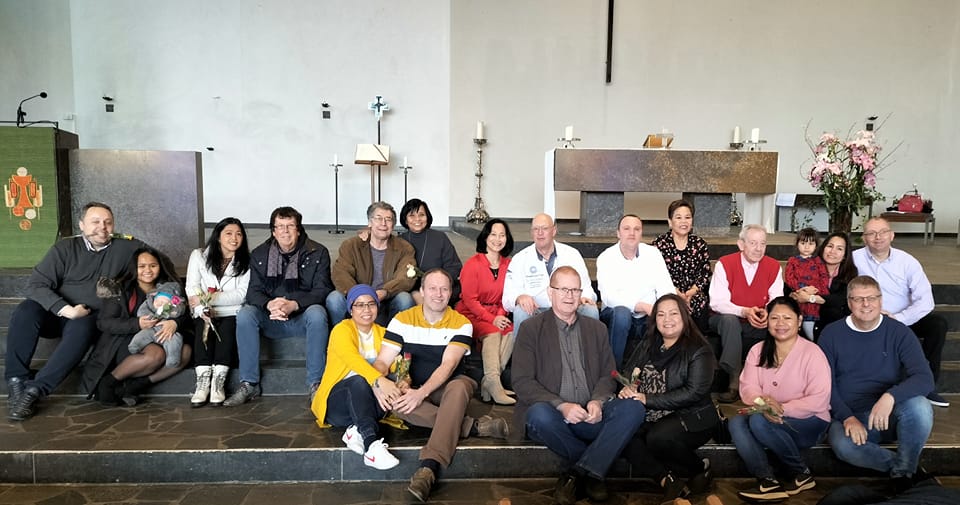
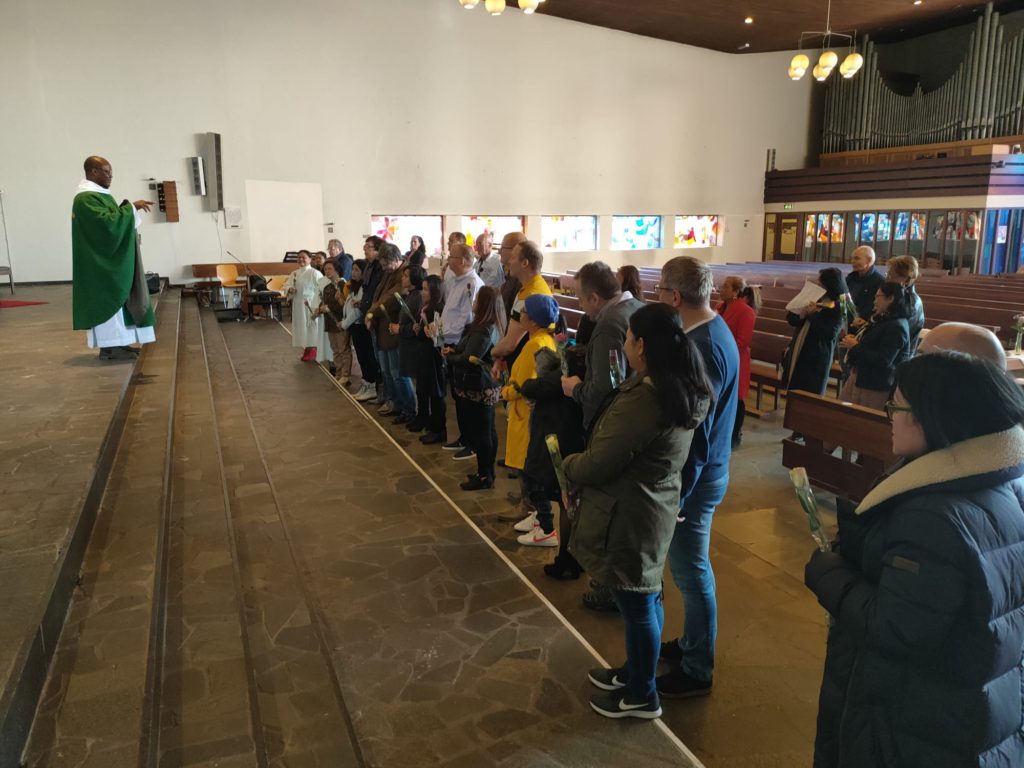
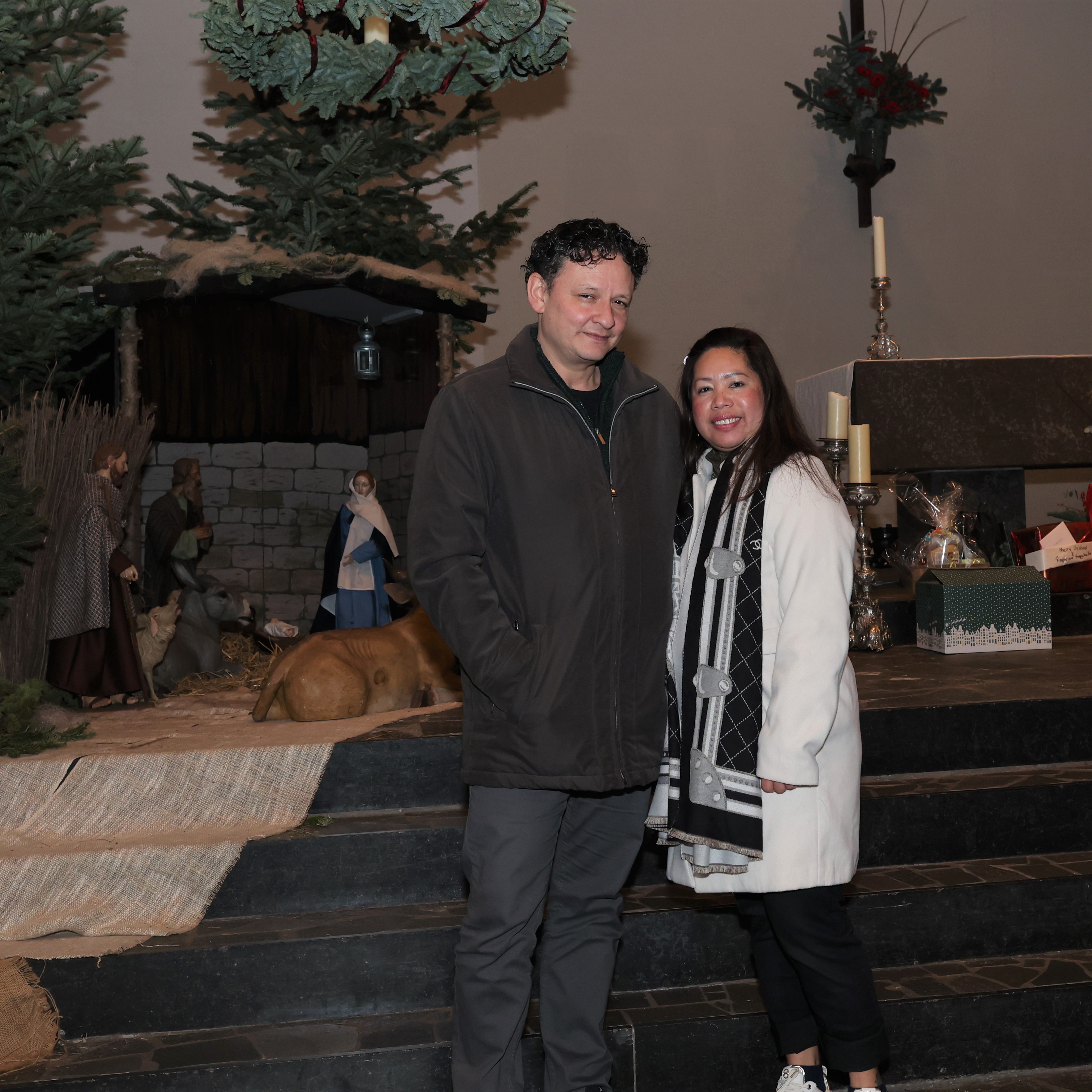
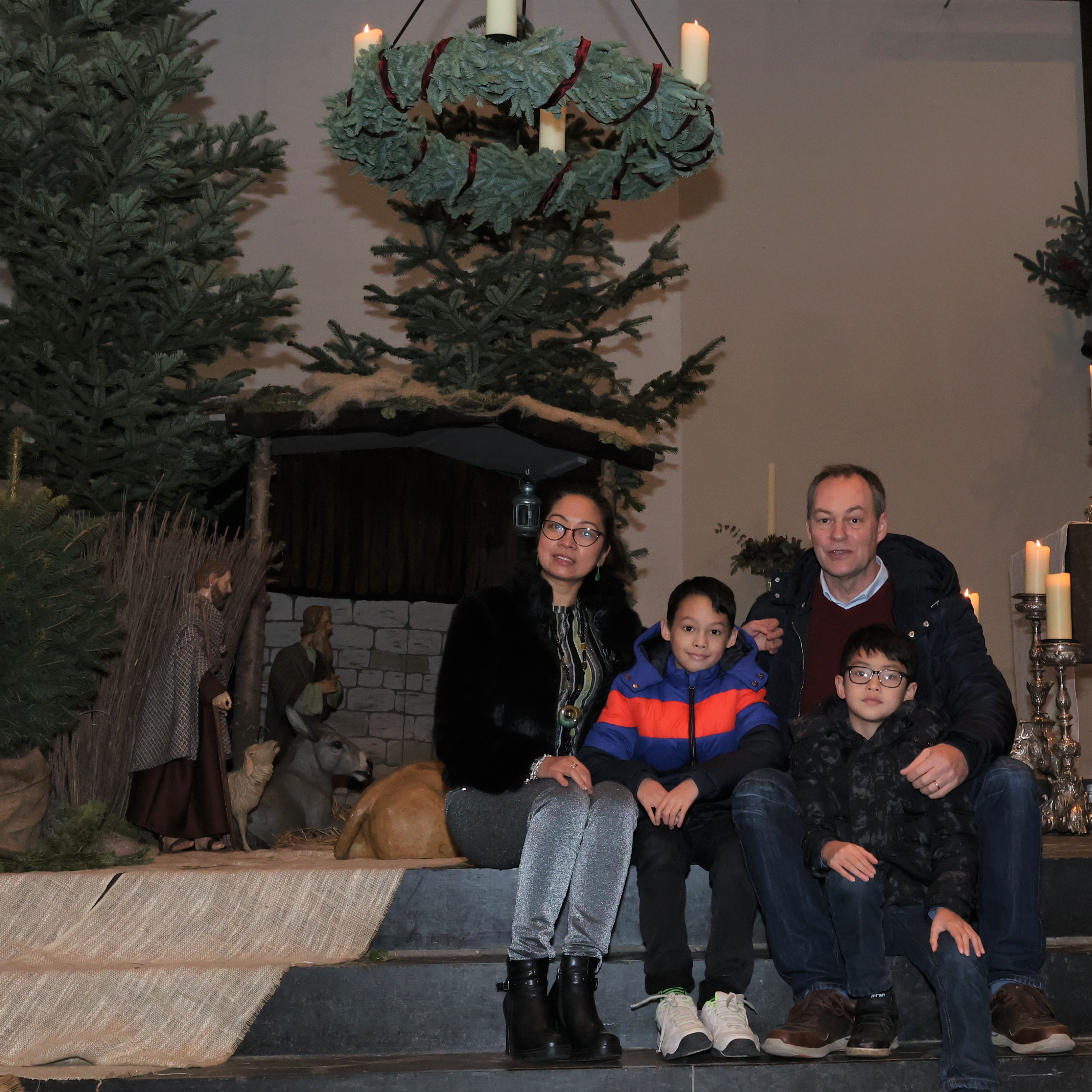
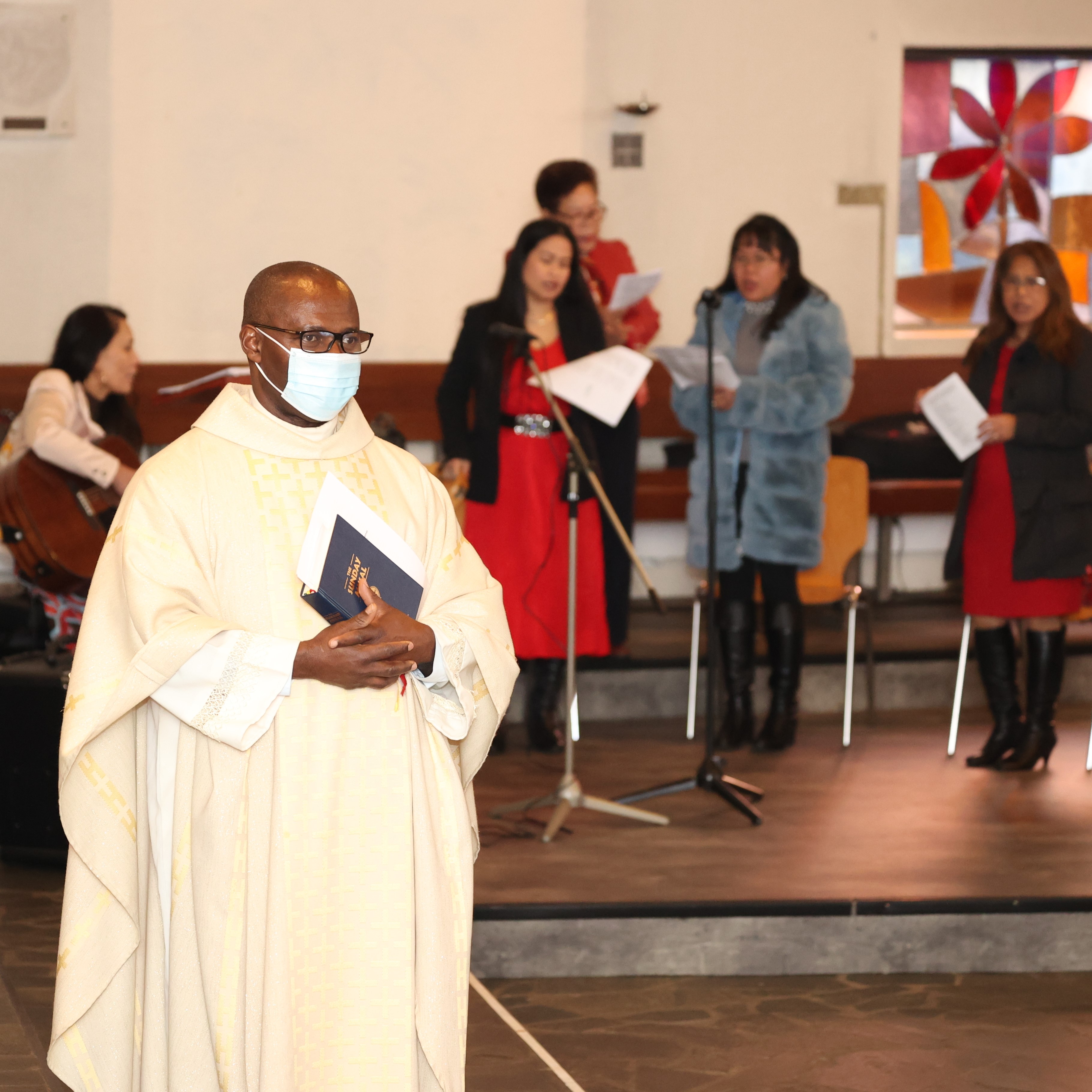
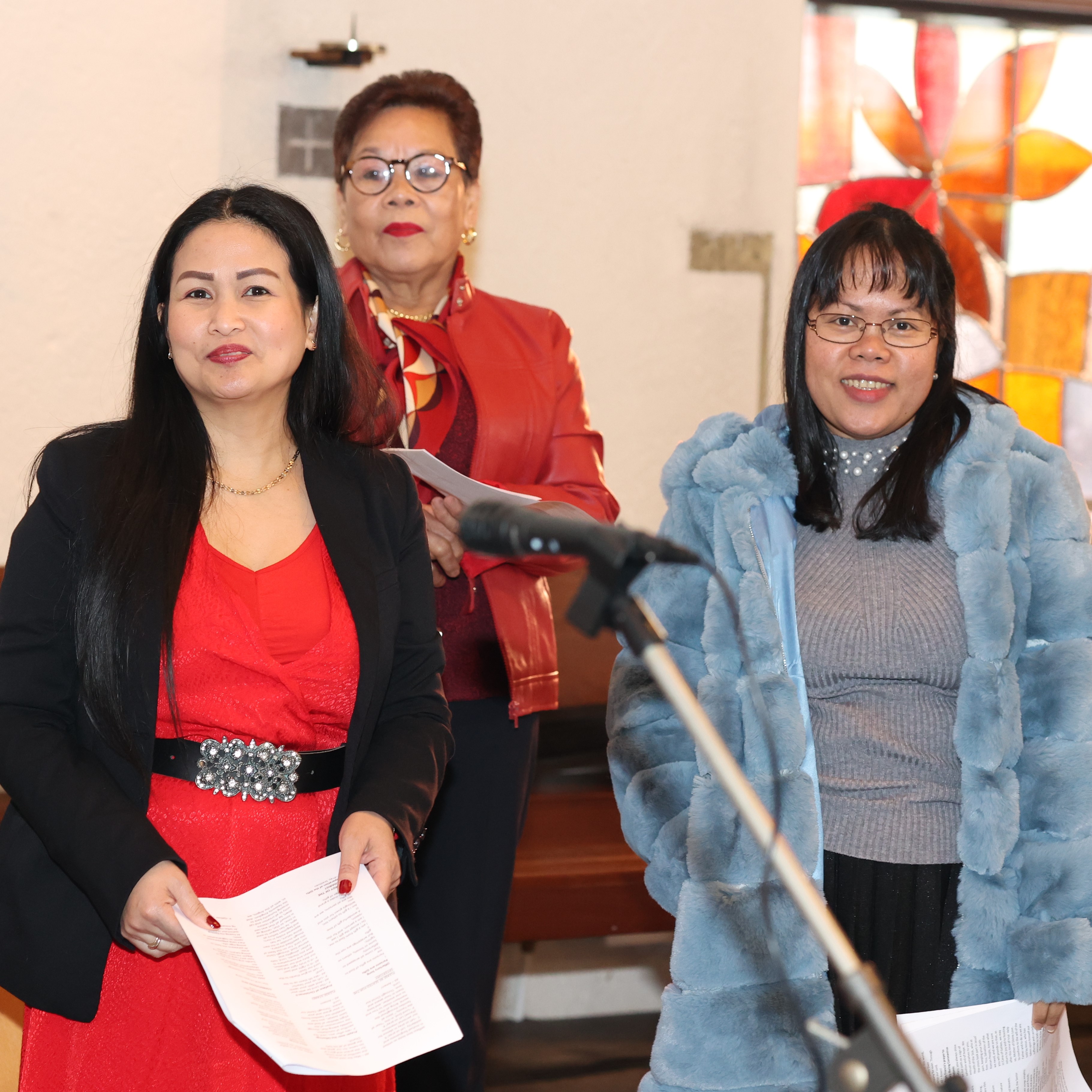
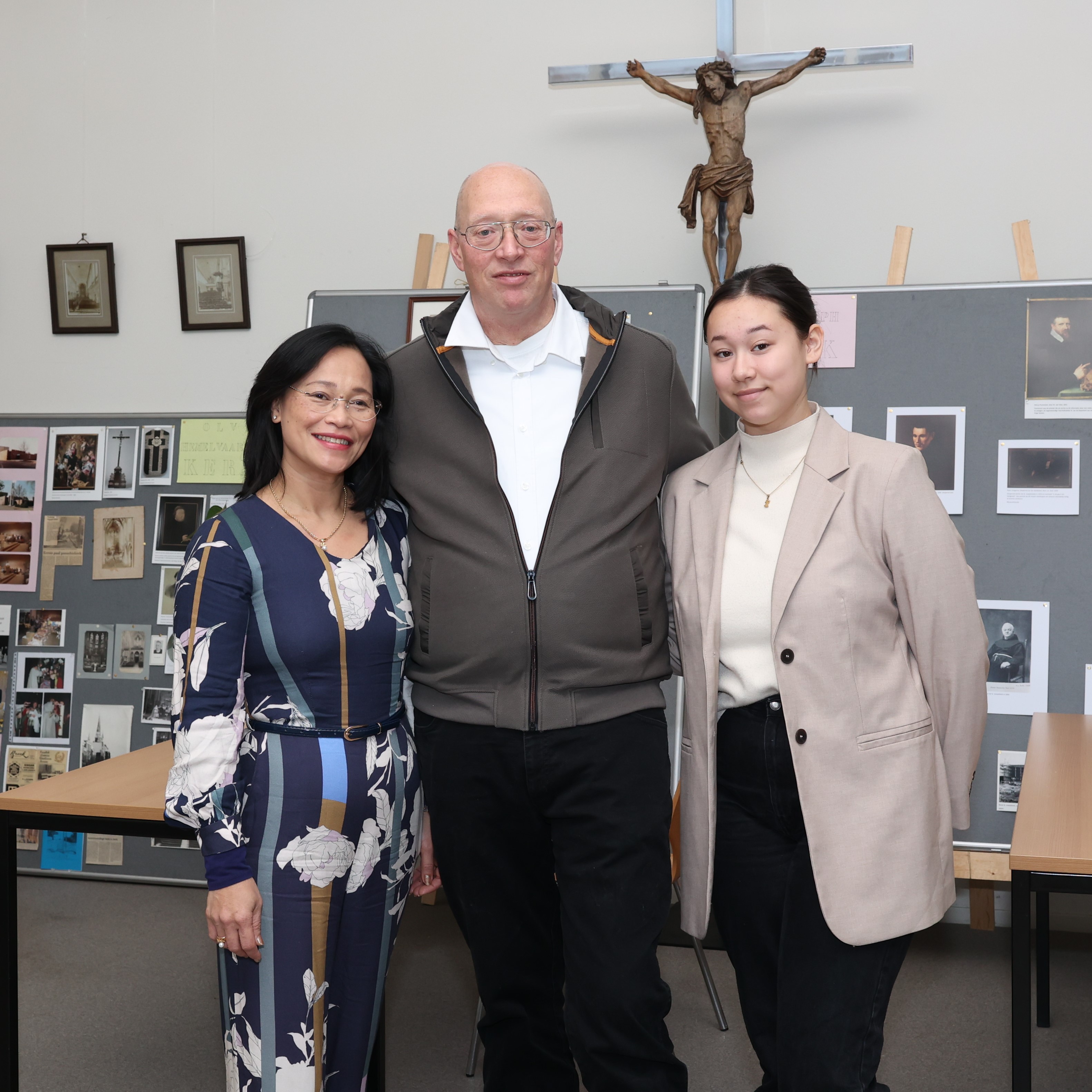
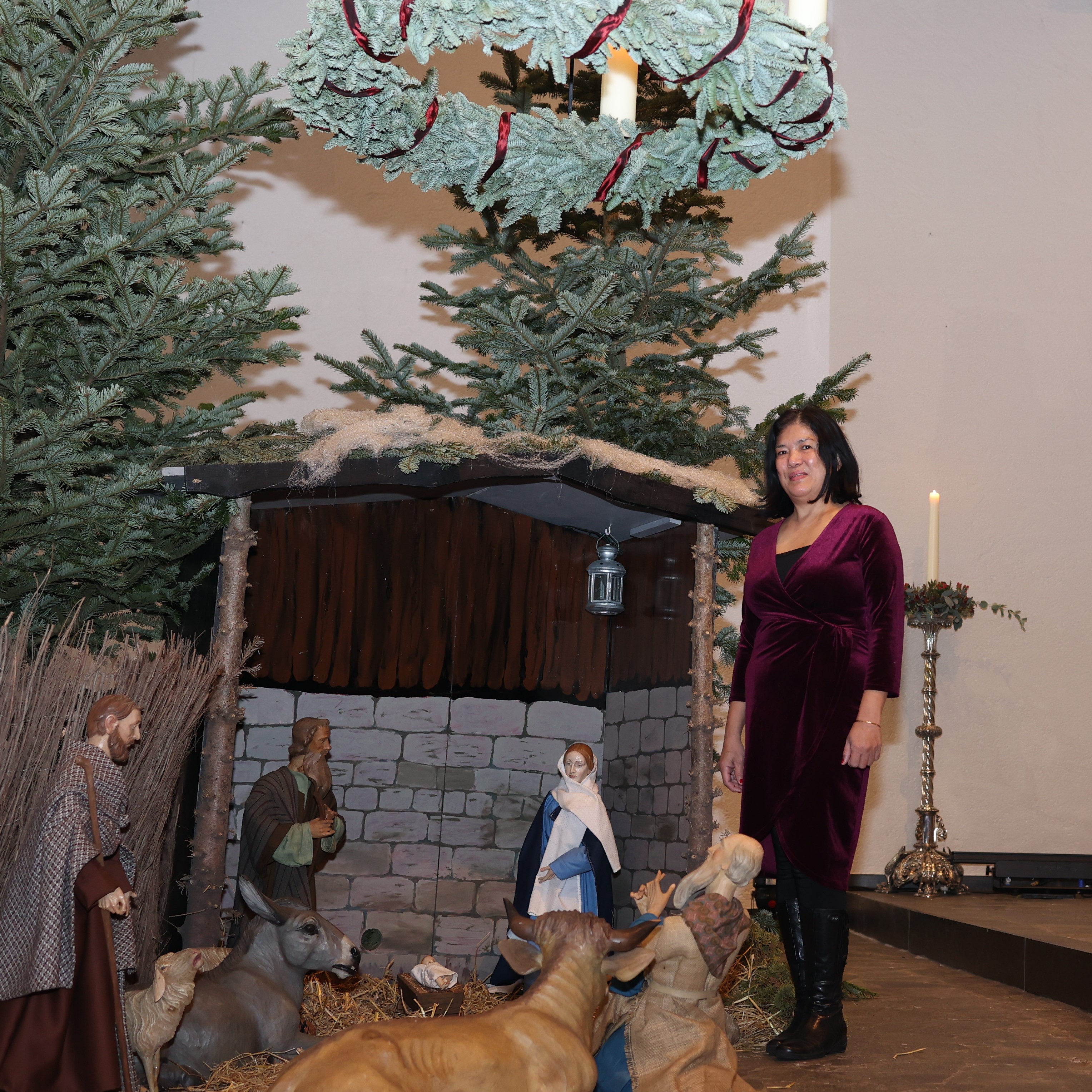
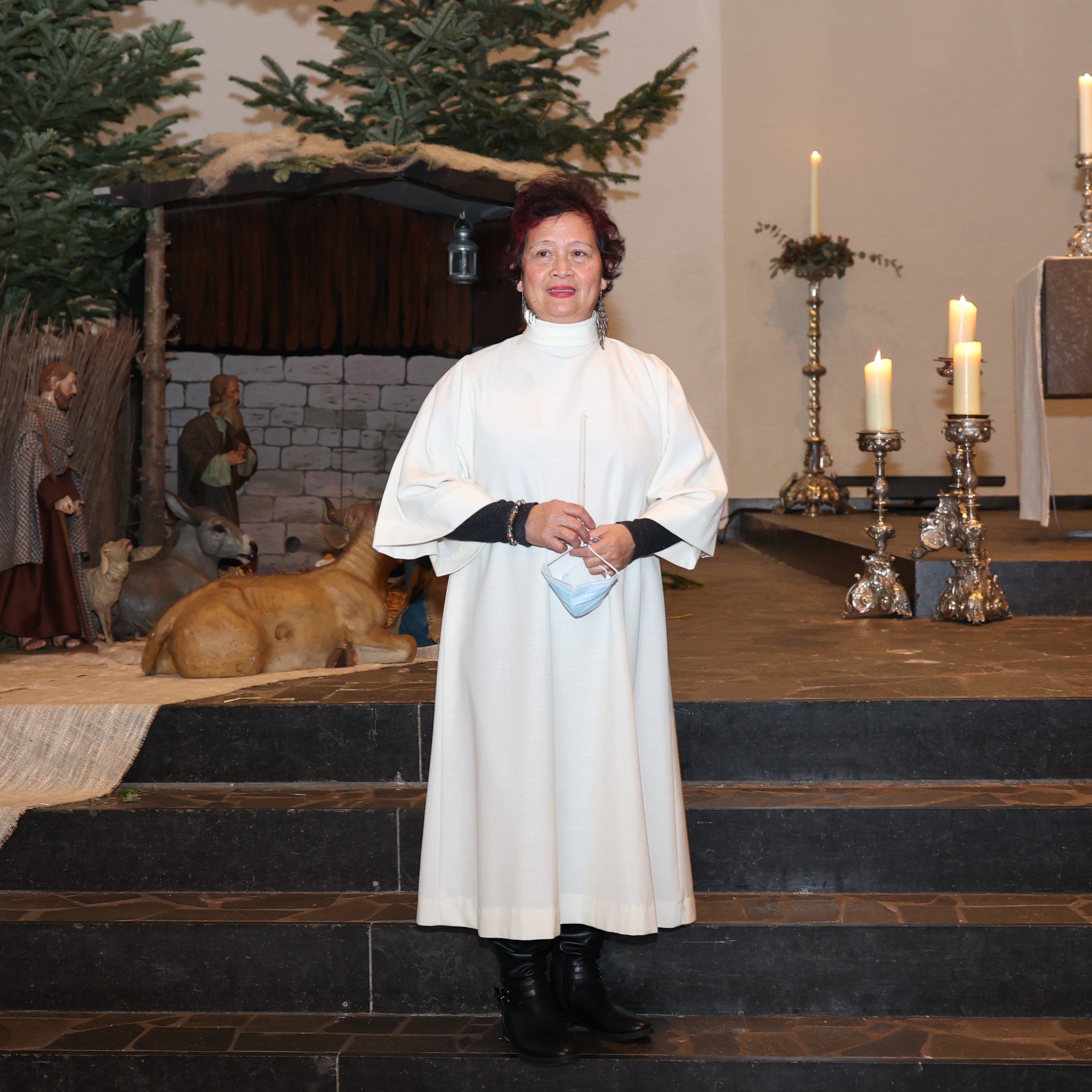
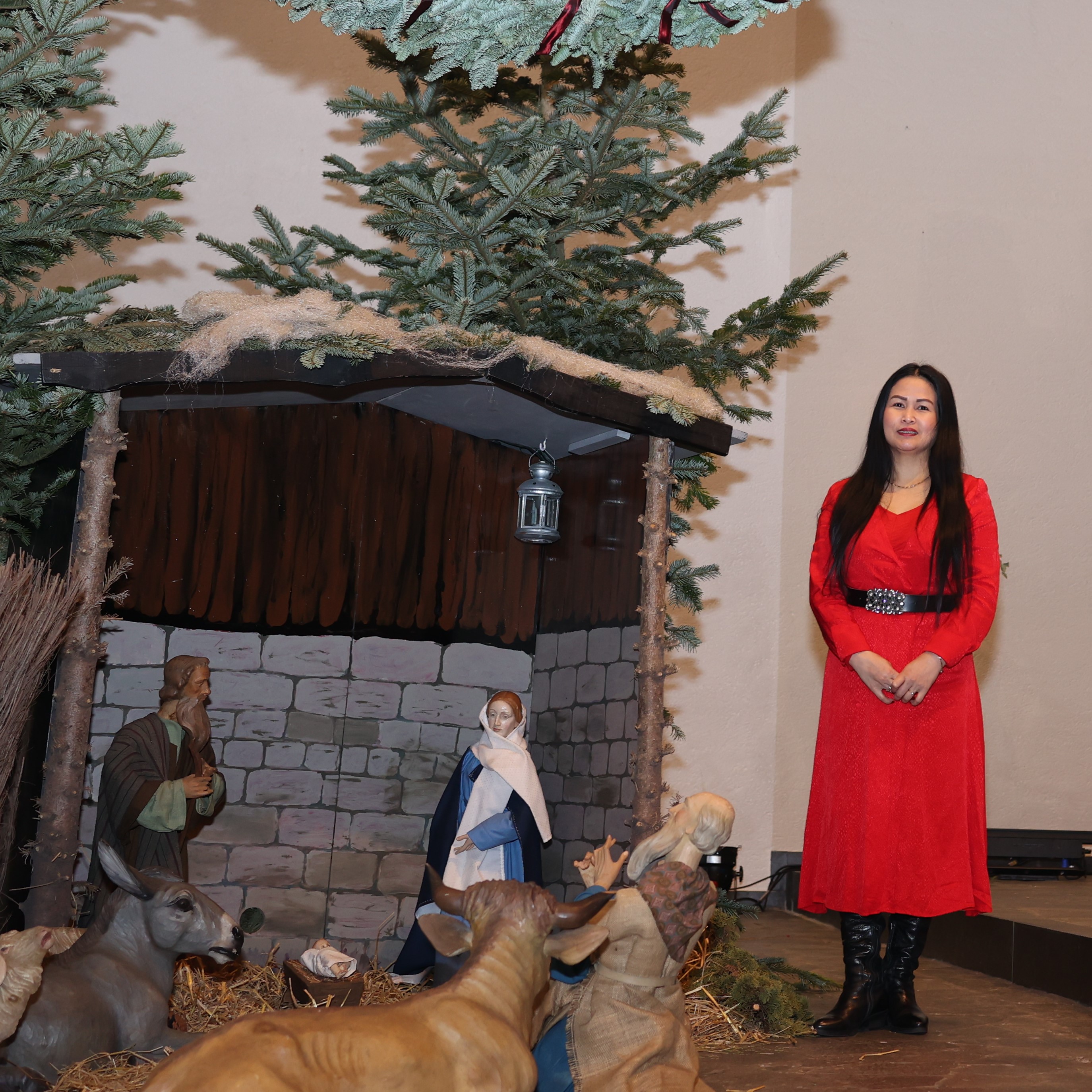
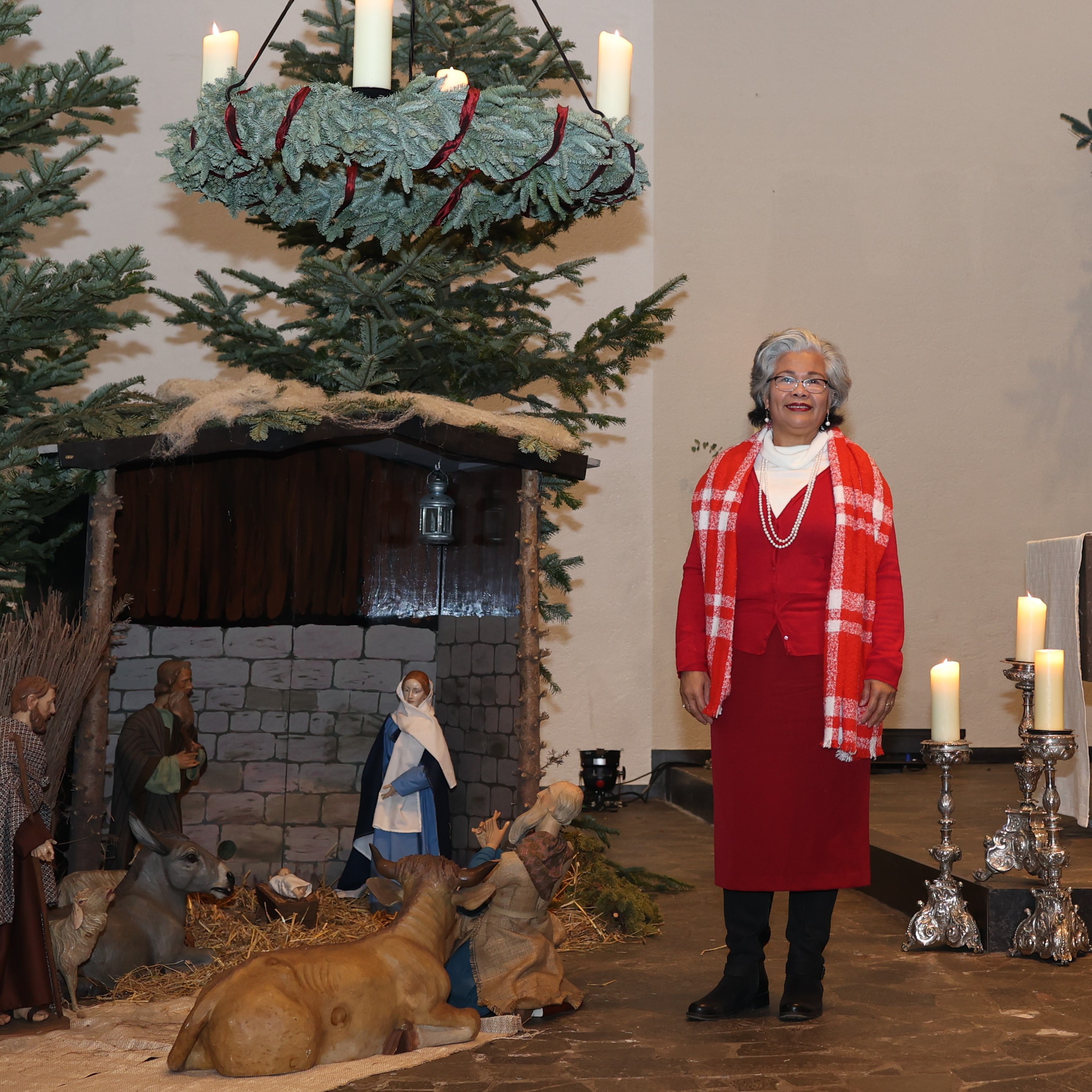
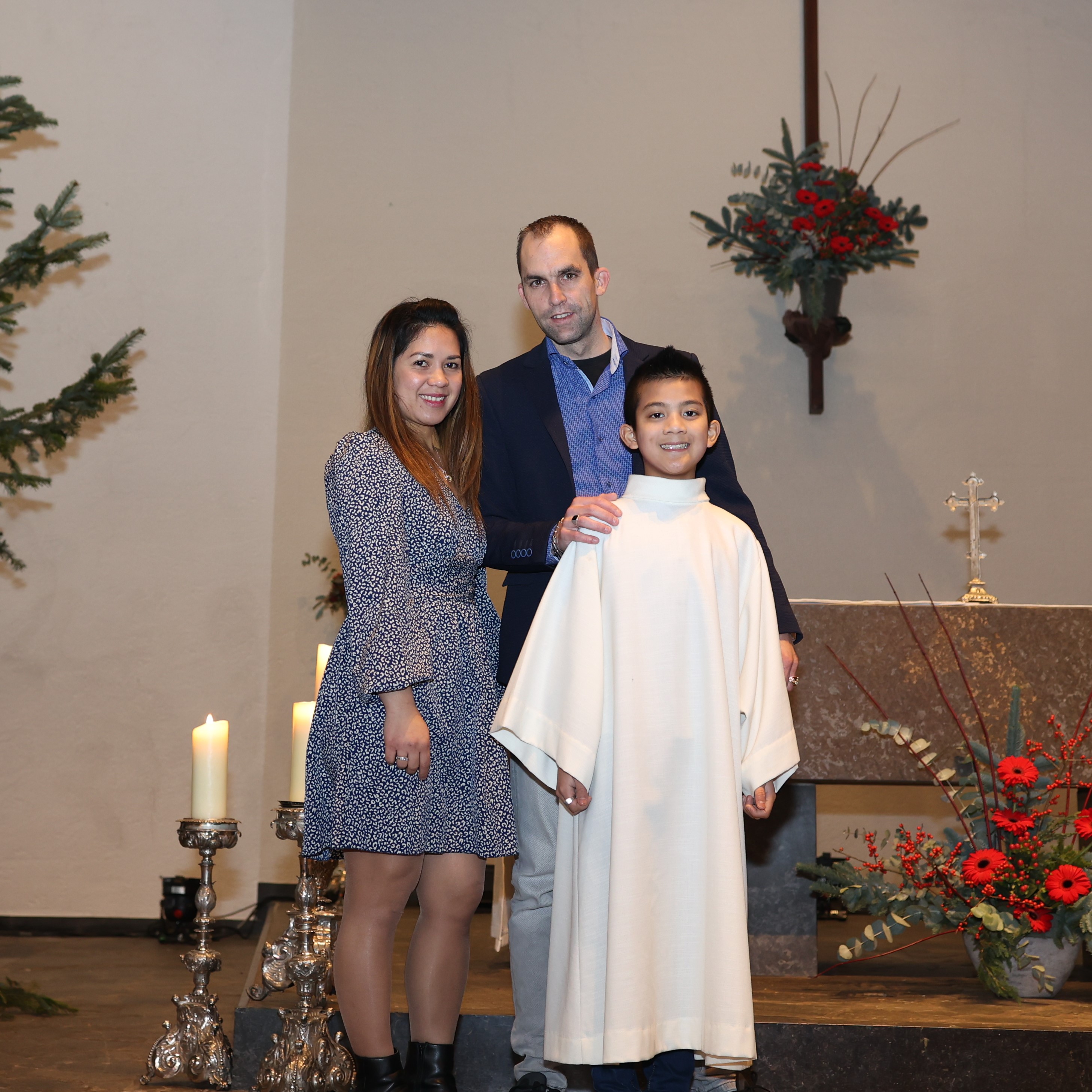
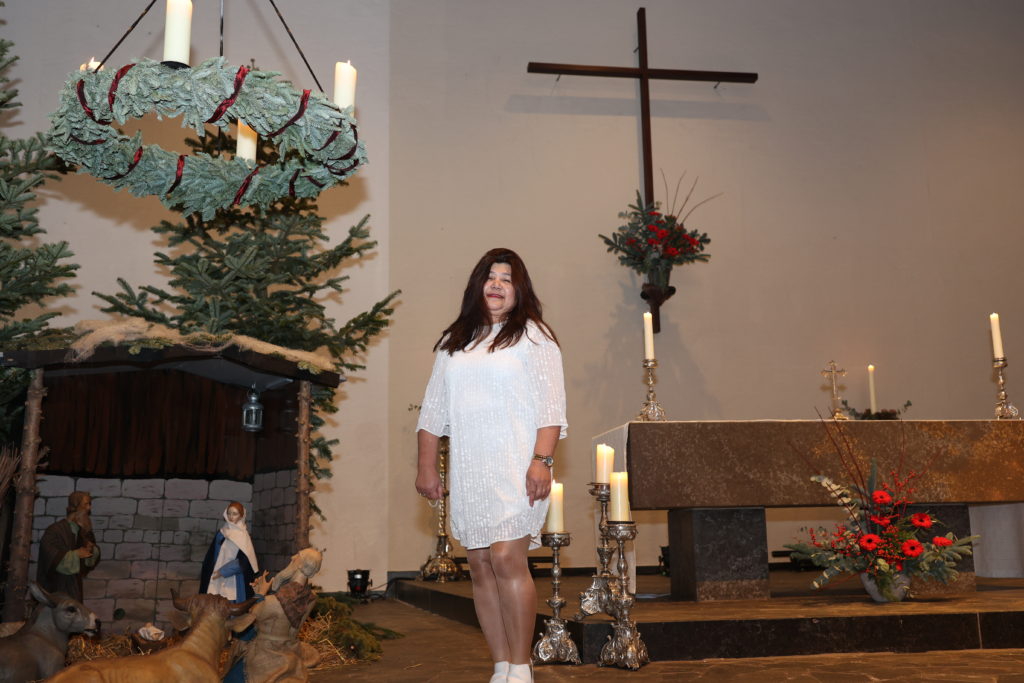
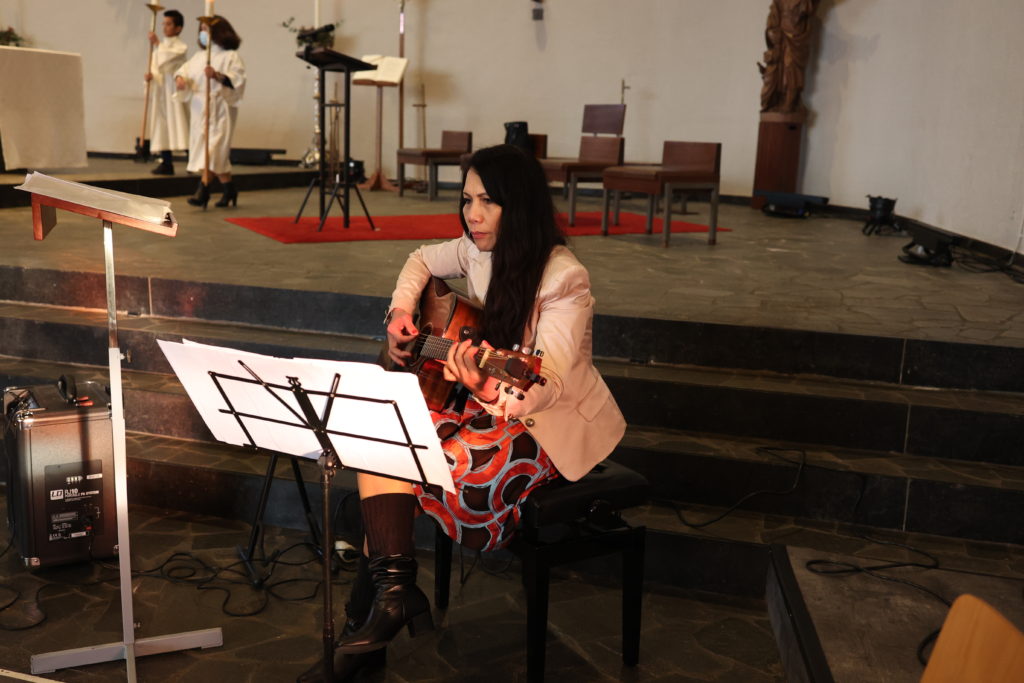
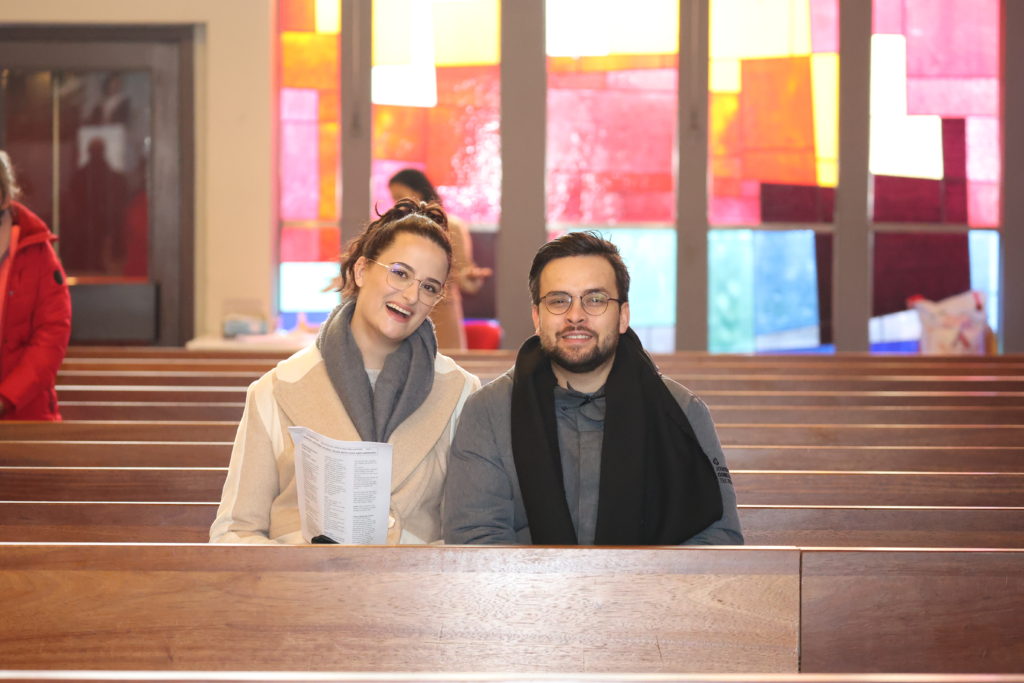
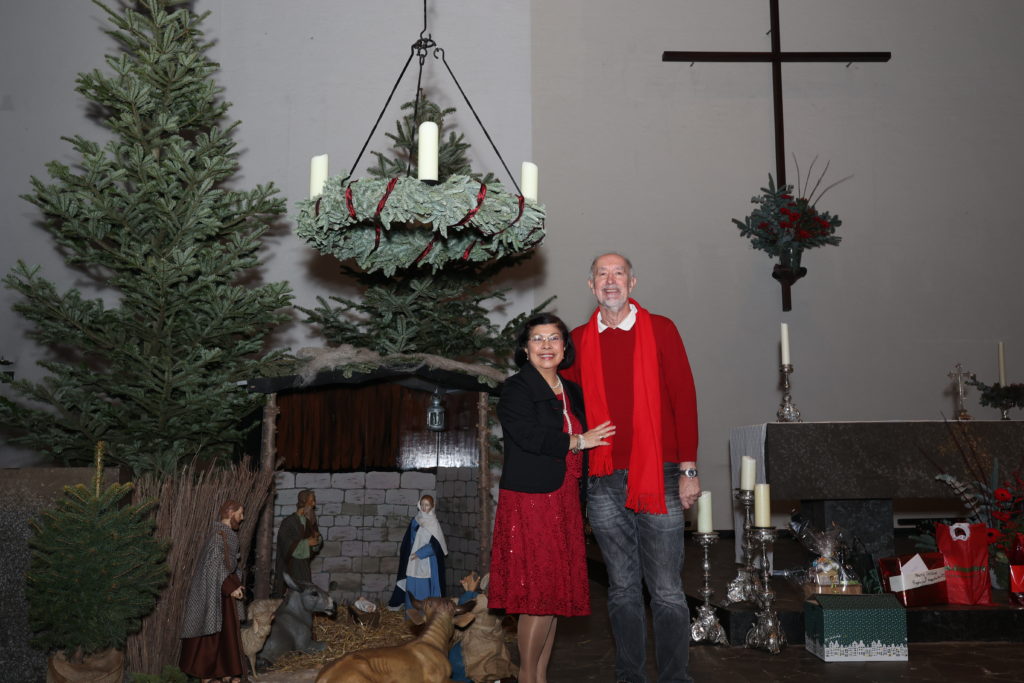
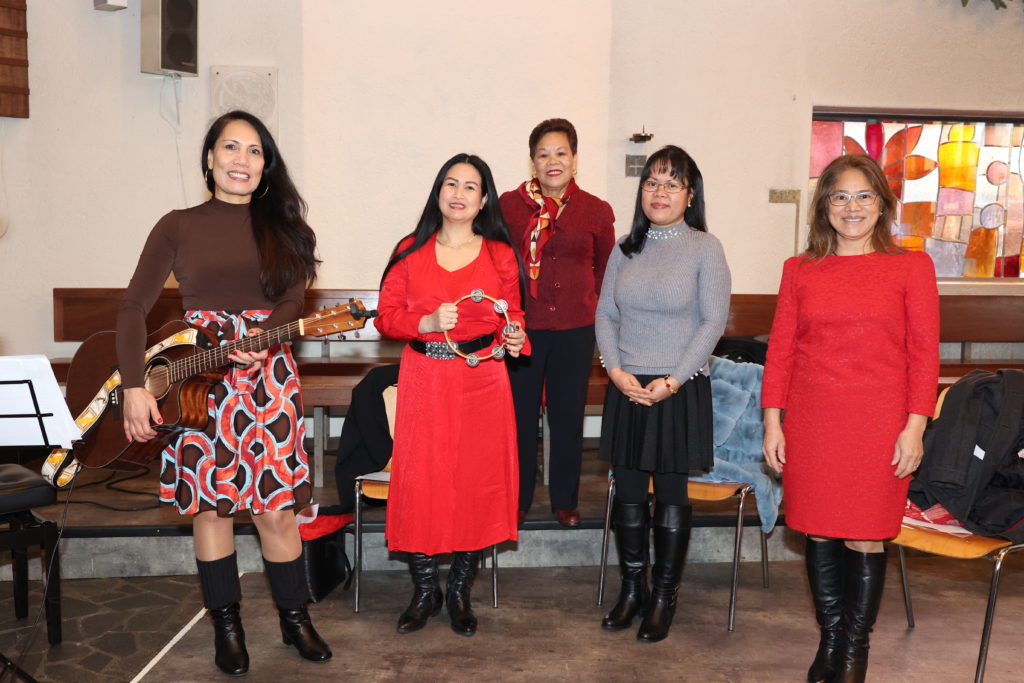
Saturday, March 26,2022 the Filipino Community of Gouda organized a Holy Retreat event. It was a well attended event and participants were able to have a reflection , meditation about themselves.
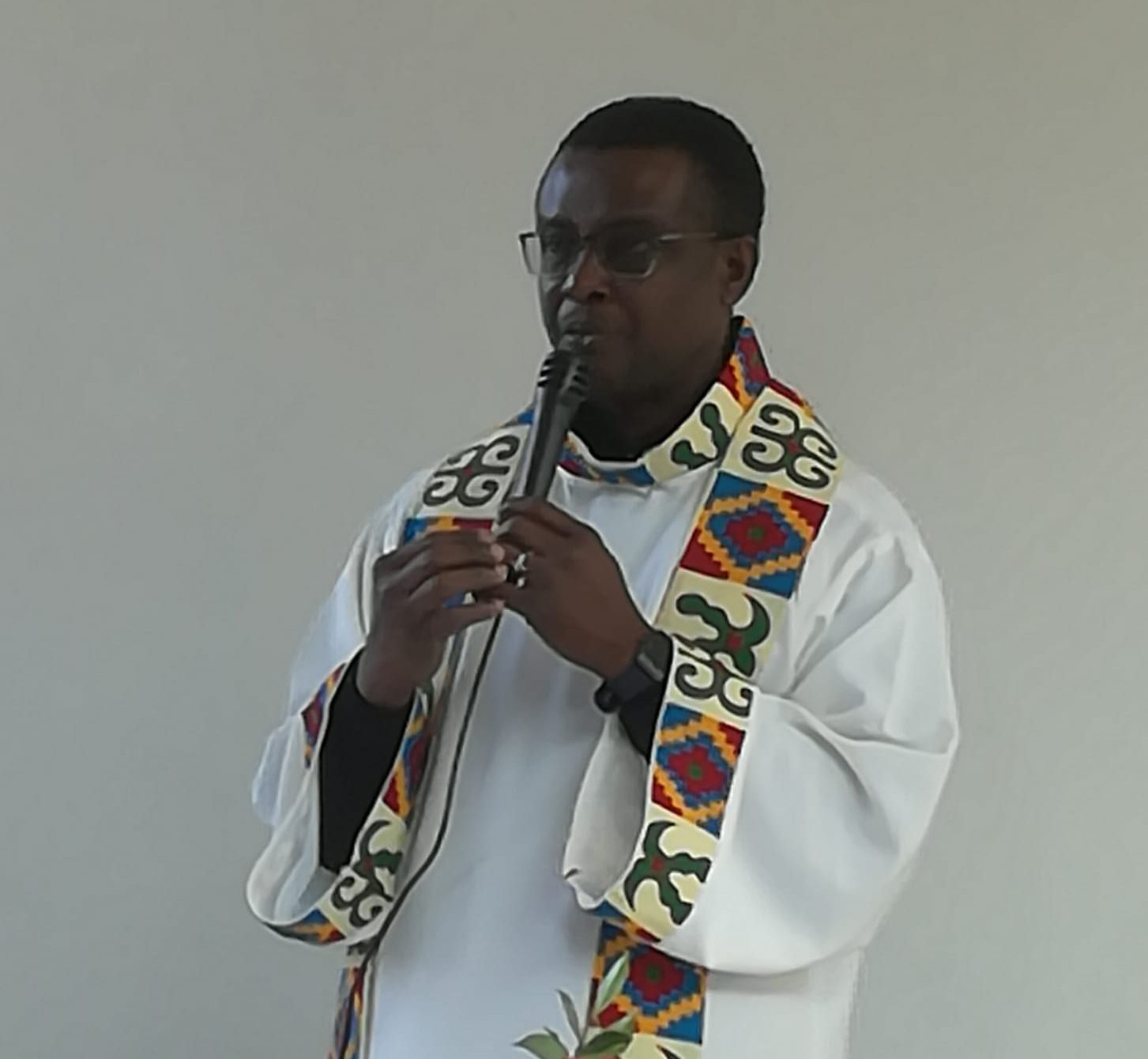
The day started with Fr. Callistus Offor with a bible phrase “DO NOT BE AFRAID FOR I AM WITH YOU” Isaiah 41:10 . Followed by questions:
What is a retreat? Why am I here? Why did I decide to come?
Among the numerous reasons to attend the retreat are.
We need rest, we need time to express or share our feelings, we need some moment to reflect. Moments to look at ourselves if we have grown. Need to be open to changing our life and need prayer.
The main topic of the event was about “FEAR”
What is Fear? and How do we deal with fear in our daily lives?
Fear, something can do a lot of damage in our daily lives. Something we are afraid of. Has a lot of negative impacts: Social life, Physical life, Personal life, Spiritual life. It steals our time , values, status and can destroy peace of mind, happiness, health and sanity.
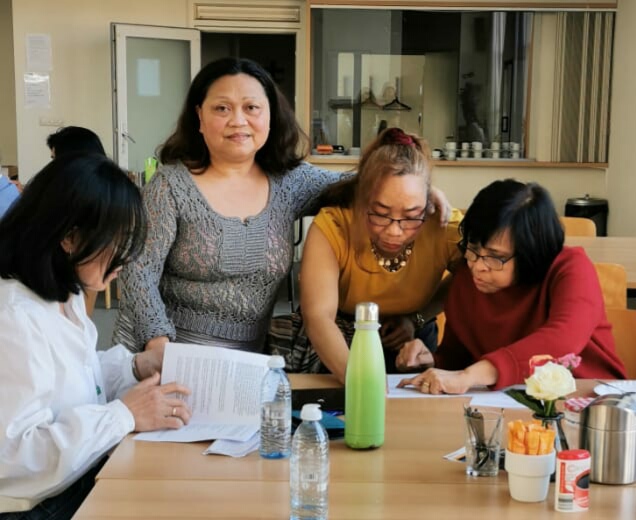
Everyone was given a chance to share what kind of fear they have encountered in life. Participants were divided into 3 groups and each group was able to share and discuss it. And it comes with a discussion that mostly has a fear of being alone in life, the fear of aiming high because of lack of confidence, lack of focus, fear of being rejected, fear of being neglected, fear of what will happen if time will come of dying and so on.
Fr. Callistus discussed the “Strategies of Fear”
A short story was shared and came out with a conclusion that If you feel you are a victim don’t be afraid stand up and fight back know what you are capable of. Decide that you want it more than you are afraid of.
Each of us must confront our own fears, and must come face to face with them. How we handle our fears will determine where we go with the rest of our lives. To experience adventure or to be limited by the fear of it. Develop self permission, don’t put yourself down. There is power in prayer, there is power in the words of God.
Use your time, use your talent and that you can live your own life.
The day ended that everyone feel inspired ,happy and feel blessed.
The Parable of the Fruit -bearing tree: What does it mean to be a fruitful Christian?
When Jesus mentioned of this Parable in Luke 6: 39-45 . He was telling us that God sees the heart . We may put on a great show of words and actions but it is what is in our heart that is so visible to God. Jesus asked us why do we observe the splinter in our brother’s/sister’s eye and never notice the plank in our own? Jesus said, “ Hypocrite! Take the plank out of your yes first and then you will see clearly enough to take out the splinter that is in your brother’s/ sister’s eye “.
In these modern world, we try to focus on the faults of others , no matter how true, to take the focus off our own.
Then Jesus proceeded to mention that “there is no sound tree that produces rotten fruit, nor a rotten tree that produces sound fruit. For every tree can be told by its own fruit. Figs are not taken from thorns, nor gather grapes from brambles. A good man produces goodness from the good of his heart ; an evil man produces evil out of his store of evil. Each man’s words flow out what fills his heart. “
Father Emmanuel made us realized that a fruitful Christian means that there must be genuine love, patience, kindness, goodness, faithfulness and gentleness in our hearts that reflects our actions to others. But only when we first acknowledge our own faults and be a better person then our actions will bear good outcome for our children, family ,friends and to the community.
He even reminded us of the on-going conflict between Russia and Ukraine . This is the time to be a fruitful Christian, to bear good fruits of good deeds and including them in our prayers for the conflict to end.
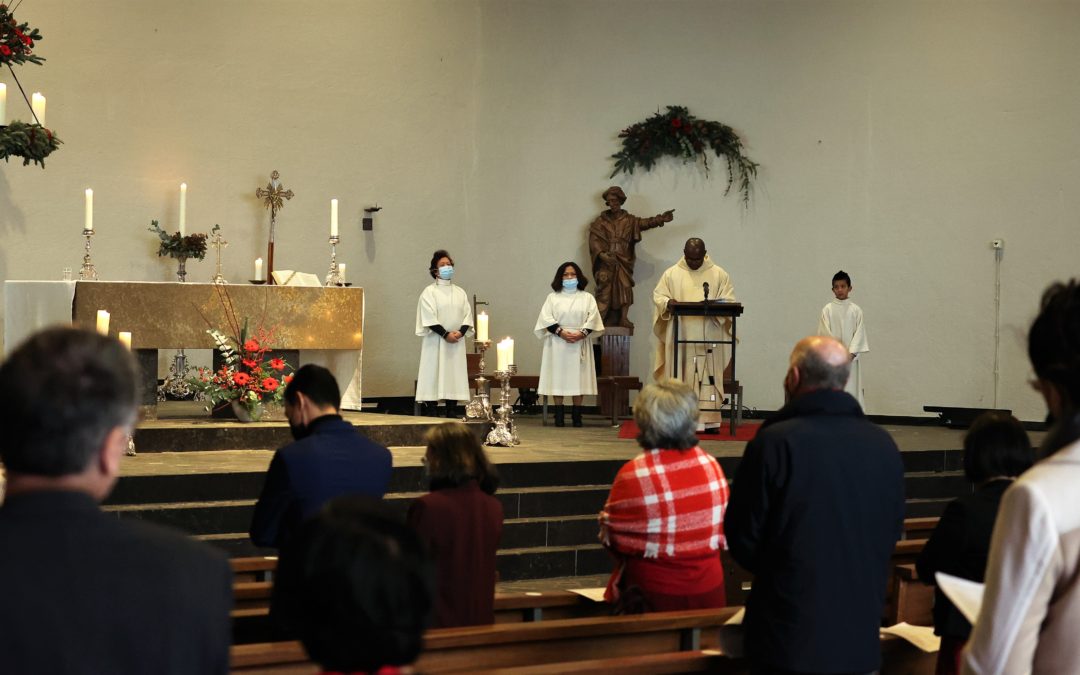
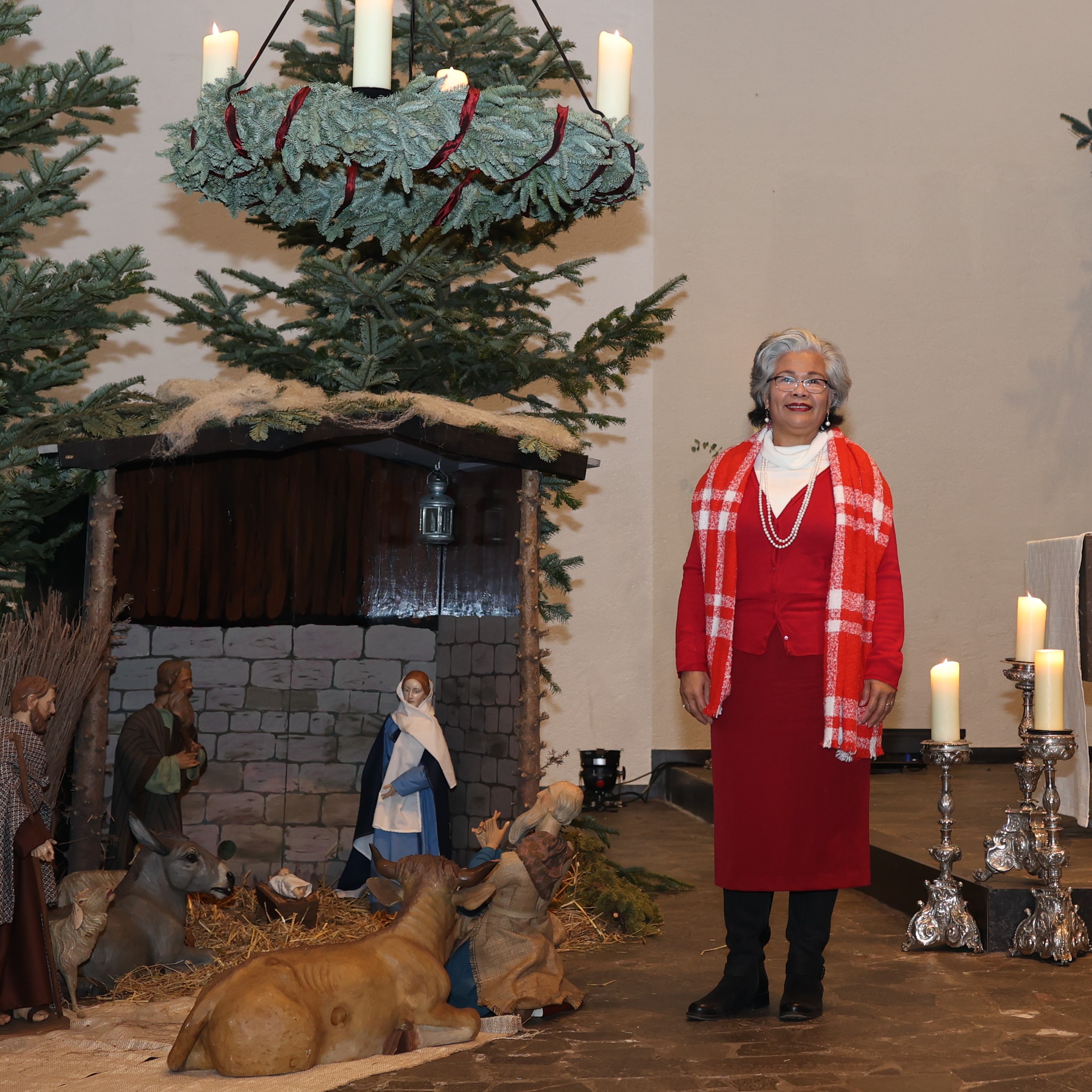
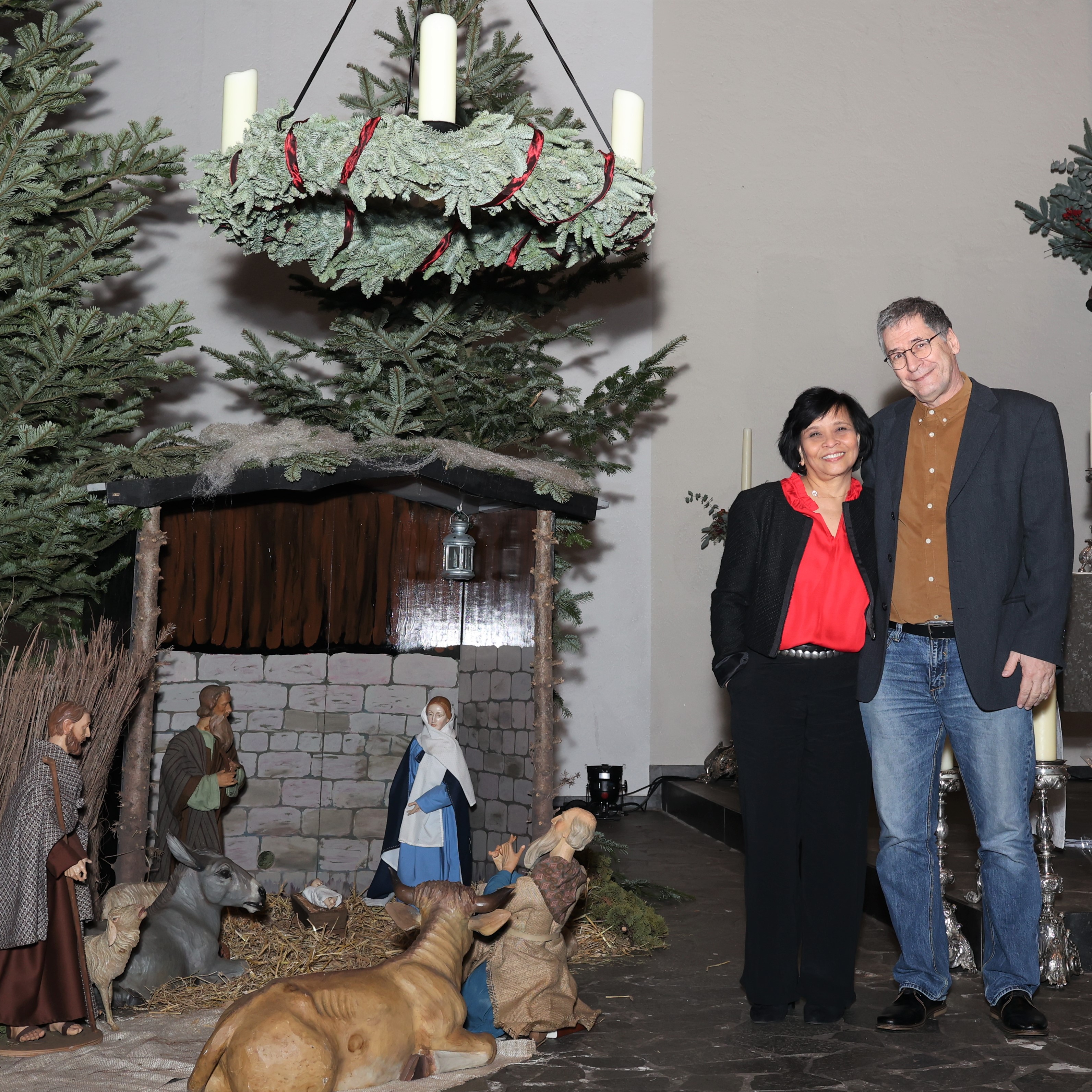
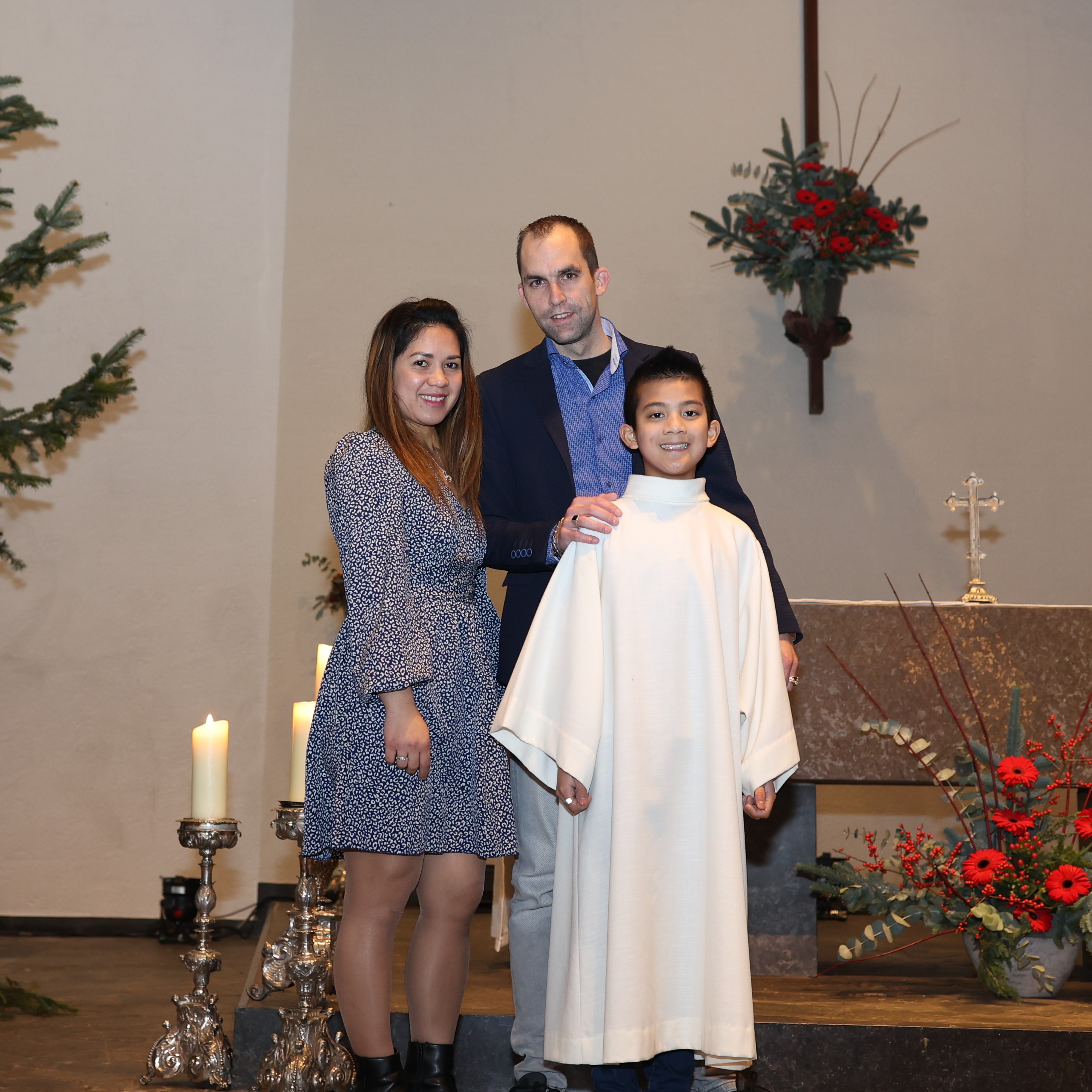
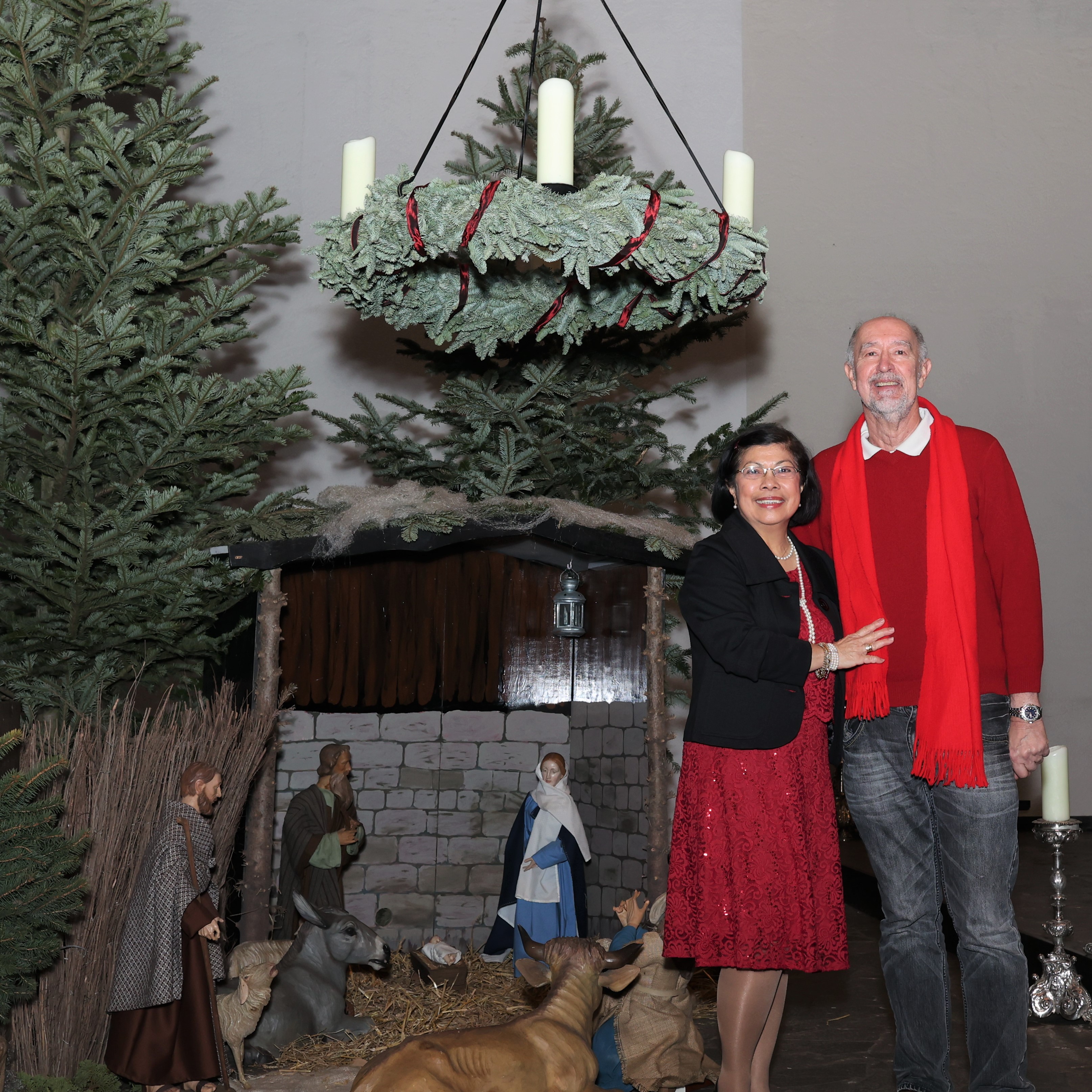
After the Mass, our Priest requested couples to come forward. He blessed and prayed for their successful Marriage and Family life. Father Cyril also requested the single ladies whose partners are no longer with us and the ladies who are still looking for a lifetime partner.
The happy, blessed couples of the FCC-Gouda Community
The word of God is central to our lives. John 1: 1-3 indicates that all things were made by the word of God which is God himself. This identification of God with his word signifies our closeness with God. When we hear the word of God, it is God himself who is taking form in us. You can now understand Paul when he writes that faith comes through hearing, and what is heard is the word of God (cf. Romans 10:17). To emphasize the primacy of the word of God in Christian liturgy, Pope Francis established ‘The Sunday of the Word of God’ to be marked each year on the Third Sunday of Ordinary Time. This primordial position of the word of God and its importance in our daily lives are clearly presented in the three reading we have today.
The first reading presents the post-exilic Israelites who lost the sense of direction, having been cut off from their usual reflection on the Torah. Their law, deriving directly from the word of God given to Moses and written down in the Scripture, was kept aside when they were driven into exile. They were made to practice the customs of the pagan nations around them. Upon return to their homeland, they needed to rediscover their place prior to the exile event. When the book of the law was discovered by what we might regard as divine providence during the repair of the temple, read out and explained to them, they listened attentively. They discovered, in the process, how far away they have drifted from the precepts of the covenant God made with their forefathers. Contrary to the self-perception they had developed as defeated and exiled people, they realized that they had a special relationship with God, which made them a special nation among the pagans. Unfortunately, the failure to keep to the demands of the covenant had estranged them from the many blessings of God meant for them all the while they suffered in a foreign land. That discovery brought them to tears and remorse for their sins and shortcomings. But Nehemiah, Ezra, and the Levites urged the people to be grateful, happy, and rejoice rather than mourn because ‘the joy of the Lord’ is their strength.
Discovering the word of God is like discovering a pearl of the greatest value because it is the discovery of God himself. The word of God enables us to understand that we come from God, live in God, and will return to God (cf. Acts 17:28). Realizing our divine origin enables us to dedicate our entire lives to following the path that God has marked out for us. As a manufacturer of a product describes in a manual the best way to use and maintain the product for optimal performance and durability, so also the word of God contained in the Bible describes the mind of God concerning us. It enables us to understand the way to live in every circumstance. As Psalm 1:1-3 indicates, meditating constantly on the law of the Lord is a great source of blessing that never runs dry. Ezra and the others urged the people to be glad because they knew that the discovery of the Book of the Law will open a new page in their lives as a nation. It will enable them to understand the will of God concerning them and enable them to cart a new path and enjoy God’s enormous blessings. They will no longer be afraid of their enemies nor dread exile so long they keep to the demands of the Law because the Lord God will be their defense. As the Psalmist puts it, “The Lord is my light and my salvation; whom shall I fear? The Lord is the stronghold of my life; of whom shall I be afraid?” (Psalm 27:1).
When a person or a nation (in this case the Israelites) walks away from God that is the light (cf. John 8:12), he walks in darkness. The Israelites were driven into exile in the first place for disregarding the word of God. Its rediscovery was, therefore, a new opportunity to regain their sense of direction as a people and a nation. The value of things is sometimes better appreciated after being lost and rediscovered. But the risks involved in that process are enormous. It is not all prodigal sons and daughters that have the rare opportunity of returning home safe. That is why we must cherish our relationship with God and not allow the devil to steal it from us (cf. John 10:10).
Luke who was a disciple of Paul, having seen the great works accomplished in the spreading of the Gospel, and having seen de account of the Gospel of Jesus Christ written by others, decided to write an orderly account of it for Theophilus. It is not clear if Theophilus is an individual person or if it is a term used to refer to believers, regarded as “friends of God” (Theo – God, Philos – loving). What interests us here at this moment is that Luke’s account sought to anchor the genealogy of Jesus to Adam (whom he called the son of God – Luke 3:38b) rather than Abraham (in Matthew’s account – Matthew 1:1), and traced the incarnation of Jesus to the message of Angel Gabriel (cf. Luke 1:26). By so doing, Luke connects the salvation brought by Jesus to the account of the creation where God created everything by the power of His word. It was that word, brought by angel Gabriel to Mary that made Jesus take flesh and dwell among us (cf.John 1:14).
In the second part of the gospel, we see Jesus beginning his ministry with the reading of the Scripture in the Synagogue. He opened the book of the Prophet Isaiah and read a portion that is written about him. The Spirit of the Lord is upon him to preach the good news to the poor, release to the captives, recovery of sight to the blind, liberty for the oppressed, and proclamation of the acceptable year of the Lord. After reading these words, Jesus said that they are fulfilled in their very eyes because they were fulfilled in him. The potency of the Gospel is in its ability to bring positive change in the lives of people. When lived and proclaimed under the influence of the Holy Spirit, the word of God brings to life what is dead, transforming the bad and ugly into goodness, sinfulness into holiness, and failure into success. The word of God is power and not just a sterile piece of history. It is alive all through the ages; ever fresh and potent.
Jesus did not just proclaim the good news, or claim the words of the prophet Isaiah to be about him. He went about doing good, healing the sick, and setting free those held in bondage by the devil (cf. Acts 10:38). Listening to the word of God and not doing what it commands does not benefit the hearer. James calls such a person a self-deceiver. He is like someone who looks at his face in the mirror and goes off forgetting what he looks like (cf. James 1: 22-24). It is only by taking the necessary action that the power of the Gospel is brought to life. And the action each of us is called to take differs in kind and proportion to the gift and situation of everyone. Paul takes up that issue with the Corinthians, using the different parts of the body and its functions as a metaphor.
It is interesting to note that we are all different. Monotony, they say, kills interest. The diversity of the functions to which each of us is called is an indication that everyone has an important place in the body of Christ. No position is better or more essential than the other. They are only different. This calls for respect, a sense of duty, and responsibility. No one must think that what he or she is called to do in the body of Christ can be neglected, just as no part of the body can be considered less important or negligible. The first question, therefore, is to what extent one is conscious of his or her vocation (call to service), and what the person has been doing about it. There are many scriptural passages that remind us that we were sent on earth for a purpose. And we must do our best to fulfill that purpose.
When the Israelites wandered away from the demands of the covenant, they lost touch with their identity and special relationship with God and ended up in exile. Negligence of the word of God in our daily lives and routines can blind us from the true essence of our existence and our mission on earth. We are not here to pursue worldly pleasures, wealth, and fame for its sake. We are here to use the various gifts we have received to be an expression of God’s love, righteousness, and mercy to the world. By living acting in line with the word of God, we make him known to others thereby becoming his true disciples.
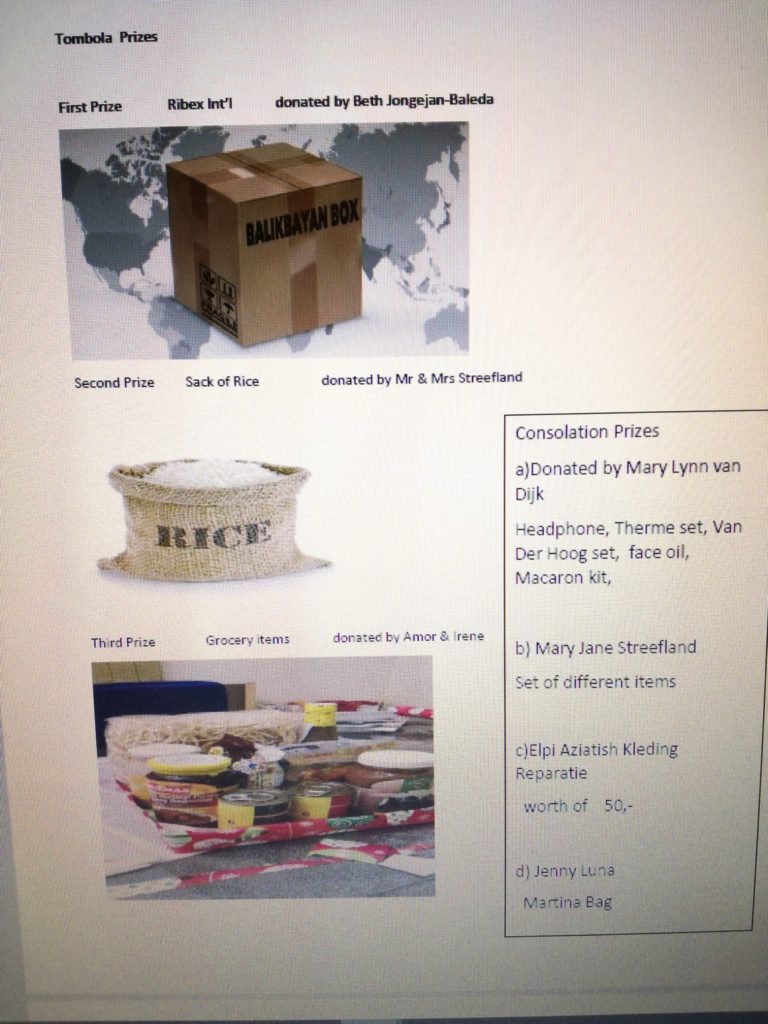
On December 26, 2021, the Filipino Catholic Community in Gouda (FCC-Gouda) and Surroundings held its Tombola fundraising event after the mass. Thanks to the sponsors who donated prizes and the community members and supporters who bought raffle tickets, the community has all together raised a total of €496 (net).
The FCC-Gouda Board would like to thank the following for your generosity, kindness and support. May God bless you all the more!
SPONSORS:
Ribex International Martin and Mary-Jane Streefland Amor Lagade Irene Hameete Marylynn van Dijk Jenny Luna Elpi Aziatische Kledingreparatie.
TOMBOLA COORDINATOR:
Irene Hameete
BEST TOMBOLA SELLER OF THIS YEAR:
Marivic Adema
And to EVERYONE who supported and bought raffle tickets, our HEARTFELT THANK YOU! With each donation we receive, we deeply appreciate your support.
THE LUCKY WINNERS
First Prize: Lucy & Kees van Ginkel 2nd Prize : Lucy & Kees van Ginkel 3rd Prize: Luz van Starre Consolation Prizes: Jojo van Oeveren Tony Farma Teun Blanken Michelle Streefland
Once again, thank you ALL for making a difference through your help and generosity!
By Fr. Marcel Uzoigwe, CSSp. | Sir 3:2-6.12-14; Psalm Ps 128; Col 3:12-21; Lk 2:22-40
Dear brothers and sisters in Christ,
Today we celebrate the Holy Family of Jesus, Mary, and Joseph. It is important to keep an eye on our own families and recognize that the Holy Family is supposed to be a kind of mirror to help us reflect on our own families and to take some kind of resolution on how we want our family to be, and what we would like to do to keep it going. It is important to remember that no family is perfect. When you take a look at the family of Jesus, Mary, and Joseph, you can see that when Jesus is in a family, something different happens to it because he helps us to be divine conscious, considerate of the other, as well as develop some virtues. Recall the events surrounding the conception of Jesus which made Joseph (a righteous man) plan to divorce Maria secretly so as to save her from public disgrace (cf. Matthew 1:19). If Joseph had come forward to disown Mary’s pregnancy, it would have had grave consequences for her. So, looking at the Holy Family, we can see that there are certain virtues that saved them in times of crisis. We will see those virtues as we move on in our reflection on the Holy Family.
In the Gospel, we read about Jesus who stayed back in the temple after his parents took him to Jerusalem for the annual feast of the Passover. First and foremost, this is a family that centers God in their life; a family that seeks to fulfill the demands of the Jewish religion. Therefore, they went to the Passover feast every year. When Jesus became 12 years old, they took him along. When leaving after the feast, the parents thought he was among their kinsfolk and acquaintances with whom they went to Jerusalem. But when they could not find him after a day’s journey, they returned to Jerusalem only to find Jesus sitting among the teachers, listening to them and asking them questions. When the parents approached him, he questioned why they were looking for him. Don’t they know that he should be in his father’s house? This episode brings out the divine nature of Jesus. Even at such a tender age as 12 years, he was so wise as to question the learned men of Israel, already knew his mission, and was filled with zeal to embrace it. But more importantly, it brings out the beautiful lesson that God lived in a human family thereby completing the story of the Incarnation.
When God took our nature, he took it completely, except sin. He was tender, weak, vulnerable, and even threatened by Herod such that they had to run to Egypt. He needed the protection of a family, he needed the protection of a father and mother. Jesus, therefore, knows the experience we undergo as humans. He has felt our pains, dependence, hardships, worries, and all that troubles us. More importantly, although he was divine, he recognized the authority of his parents over him. The bible reads, “he went down to Nazareth with them and was obedient to them” (Luke 2:51a). The dynamics that characterize the relationship between Jesus and his parents are shown to be such that allows children to develop their given vocation in the context of gentle and understanding guidance from their parents. Though Jesus’ parents were astonished by his action, they were patient and understanding for the mystery that they could not unravel about Jesus at that time. “But his mother treasured all these things in her heart”(Luke 2:51b).
Jesus’ obedience and Mary’s loving understanding run through their relationship as recorded in the Bible. Remember that when Jesus began his ministry at the age of thirty years old, the first miracle he performed at the marriage feast in Cana was at the request of his mother (John 2). He mentioned that his hour had not come, yet he went on to do it because his mother has asked for it. This obedience is what we see in the first reading. Ben Sirach describes what obedience to God implies in the context of the relationship between parents and children. He emphasized how important it is, from the divine perspective, that children learn to obey, care for, and respect their parents. He reiterates that God honors children in respect to their parents, and considers the obligation to honor one’s parents to be an integral part of the life of faith.
Without honor to parents, one cannot claim to honor God because biblical ethics is grounded in honoring father and mother. Irrespective of the present situation of one’s parents (sick, old, deaf, whatever), or the present position a person occupies in society, the demand to love, care, and honor one’s parents remains paramount to any claim of loving and honoring God. Exodus 20:12 records honor to parents as the only commandment that has a promise attached to it, and Moses reiterated this very important command in one of his last speeches to the Israelites in Deuteronomy 5:16. It reads, “Honor your father and your mother, as the LORD your God has commanded you, so that you may live long and that it may go well with you in the land the LORD your God is giving you.”
It is important to always remember our origin. We all come from families and, without our parents who cared for us when we were helpless and brought us up, we could not be who we are today. Jesus recognized this. Hanging there on the cross and seeing that he was about to die, he turned and saw his mother. John 19: 25-26 read, “When Jesus, therefore, saw His mother, and the disciple whom He loved standing by, He said to His mother, ‘Woman, behold your son!’ Then He said to the disciple, ‘Behold your mother!’ And from that hour that disciple took her to his own home.” Love and care for parents bring inner joy and a sense of fulfillment because by doing so one is fulfilling a very important task and commandment.
Taking a look at our own families, Paul gives us the virtues that will enable us to improve our relationship with each other. He noted that cordial relationship is enhanced by heartfelt compassion, kindness, humility, gentleness, and patience, bearing with one another and forgiving one another (cf. Colossians 3:12-13). There is no relationship that can survive without tolerance, humility, and forgiveness. We are humans. We err. Therefore we need to forgive each other. A relationship is like a rose. In it, there is the beautiful flower, but also the thorn. Both make the rose. To keep a loving relationship in the family, we need the above-mentioned elements because no matter how close we are to each other in a family, there is always a little part that remains a mystery. Just as Mary did not fully understand the words of Jesus when they met him at the temple, there could be something that is going on in our family or with a family member that we do not really understand the reasons behind it at the moment. Sometimes, it could be an effect of something that happened in the past that the person is processing in the present. Therefore, we need patience, tolerance, and compassion so that we can gradually understand what is going on in the other person.
As FCC Gouda or as a parish, we are a wider family of the children of God. In this wider family, there is a wide diversity of persons and characters. But what is fundamental is that we belong to the family of Jesus who is born to us. He is the head and we are the members. Since we are different in characters, temperaments, and sensitivity, we need patience, tolerance, humility, kindness, forgiveness, compassion, and love to keep this family of us going. In most families, there are those we regard as “black sheep” because we disapprove of some of the things they do. But it is important that to always remember such persons contribute something unique without which the family is not complete. Besides, we could be the ones mistaken in our judgment. So we need to love and appreciate every person, whether in our nuclear families or the wider FCC family.
While we pray for our families, let us also look inwards and ask ourselves what we could bring into our family that may be lacking in making it such as we truly desire of it.